Meta CAPI and server-side GTM for ticket sellers.
How to recover 30-40% lost purchase signal, bypass iOS privacy blocks, and train Advantage+ algorithms to find real ticket buyers.

Key takeaways for event promoters
- Browser-side Meta Pixels now lose between 25% and 42% of ticket purchase events due to Safari ITP, iOS privacy restrictions, and browser ad blockers.
- Deploying Server-Side Meta Conversions API (CAPI) alongside browser pixel events restores Event Match Quality (EMQ) scores from below 5.0 to 8.5+.
- Higher EMQ directly reduces your Cost Per Acquisition (CPA) by allowing Meta Advantage+ bidding algorithms to optimize against verified buyer profiles.
- Event deduplication via unique `event_id` parameters across both web and server containers is mandatory to prevent double-counting revenue.
The invisible tracking tax eating your event ad budget
If your Meta Ads Manager reports £12,000 in revenue but your ticketing platform (DICE, Skiddle, Resident Advisor, Eventbrite) records £20,000 in ad-driven sales, you are suffering from client-side tracking decay.
When an attendee clicks an Instagram ad, navigates to your presale landing page on mobile Safari, and redirects to a third-party ticketing checkout, client-side JavaScript pixels fail in three specific places:
- Safari Intelligent Tracking Prevention (ITP): Caps cookie lifetimes to 24 hours, severing the link between ad clicks and delayed ticket purchases.
- Cross-domain redirect loss: When traffic leaves your domain to enter an external ticketing iframe or subdomain, pixel cookies are frequently dropped.
- Mobile in-app browser crashes & blockers: Over 35% of Gen Z users employ DNS-level content blockers that prevent
connect.facebook.netscripts from executing entirely.
When Meta does not receive purchase conversion signals, its automated bidding algorithms assume your ads are failing. It shifts delivery away from high-intent buyers toward cheap, low-quality clickers who never buy.
The 4-Component Server-Side Tracking Stack
To establish unbreakable conversion tracking, we deploy a server-side proxy architecture linking your custom event website to Meta via Stape and Google Tag Manager:
| Component | Technology | Role in Tracking Stack |
|---|---|---|
| Client Container | GTM Web Container | Captures user interactions, form inputs, and generates unique event_id |
| Custom Domain Proxy | ss.yourdomain.com | Routes tracking payloads through first-party DNS to bypass ad-blockers |
| Server Container | Stape.io / Cloud GTM | Processes payloads, enriches user data (hashed email/phone), sends to Meta CAPI |
| Meta Graph API | Conversions API v20+ | Receives server-to-server payload and deduplicates against browser pixel |
Mastering Event Deduplication and Event Match Quality (EMQ)
When running both browser pixel and server CAPI, sending duplicate data without proper handshake keys will artificially inflate your reported conversions. The solution is Event Deduplication:
Every time a user triggers an action (e.g. InitiateCheckout or Purchase), generate a unique timestamped identifier: event_id = {{event_name}}_{{timestamp}}_{{random_id}}.
Send the exact same event_id in both the browser pixel call and the server CAPI payload. Meta will inspect both streams, merge the user parameters, and count exactly one purchase event.
To push your Event Match Quality (EMQ) above 8.5/10, always pass the following normalized SHA-256 hashed parameters in your server payload:
- em: Lowercase trimmed email address
- ph: International E.164 formatted phone number (e.g. +447123456789)
- fbp / fbc: First-party Facebook browser cookie IDs captured on landing
- client_ip_address & client_user_agent: Real client connection metadata passed from server headers

Common questions answered.
A standard server GTM container on Stape costs approximately $10 to $20 per month for up to 500,000 monthly events, making it an extremely high-ROI investment that pays for itself on the first day of ad spend optimization.
Yes. You can capture presale leads, pre-checkout clicks, and outbound link clicks server-side on your own domain, and use ticketing platform webhook integrations or Zapier/Make bridges to fire offline purchase events back into Meta CAPI with full user hashing.
Aim for an EMQ score of 8.0 out of 10 or higher on Purchase and Lead events. Scores below 6.0 indicate missing user parameters (email, phone, fbp/fbc) that degrade ad targeting efficiency.

Event Marketing Is Not Ecommerce: Why Last-Click Attribution Is Killing Your Campaigns
A ticket is not a pair of trainers. It is a shared date commitment coordinated in private group chats. Relying on last-click Google Analytics attribution blinds promoters to their most profitable growth channels.

57% of Tickets Now Sell in the Final 7 Days: What That Means for Your 2026 Campaign
Consumer purchase windows for live events have compressed by 26% since 2022. Here is the operational framework to maintain launch velocity without starving your final 14-day conversion window.
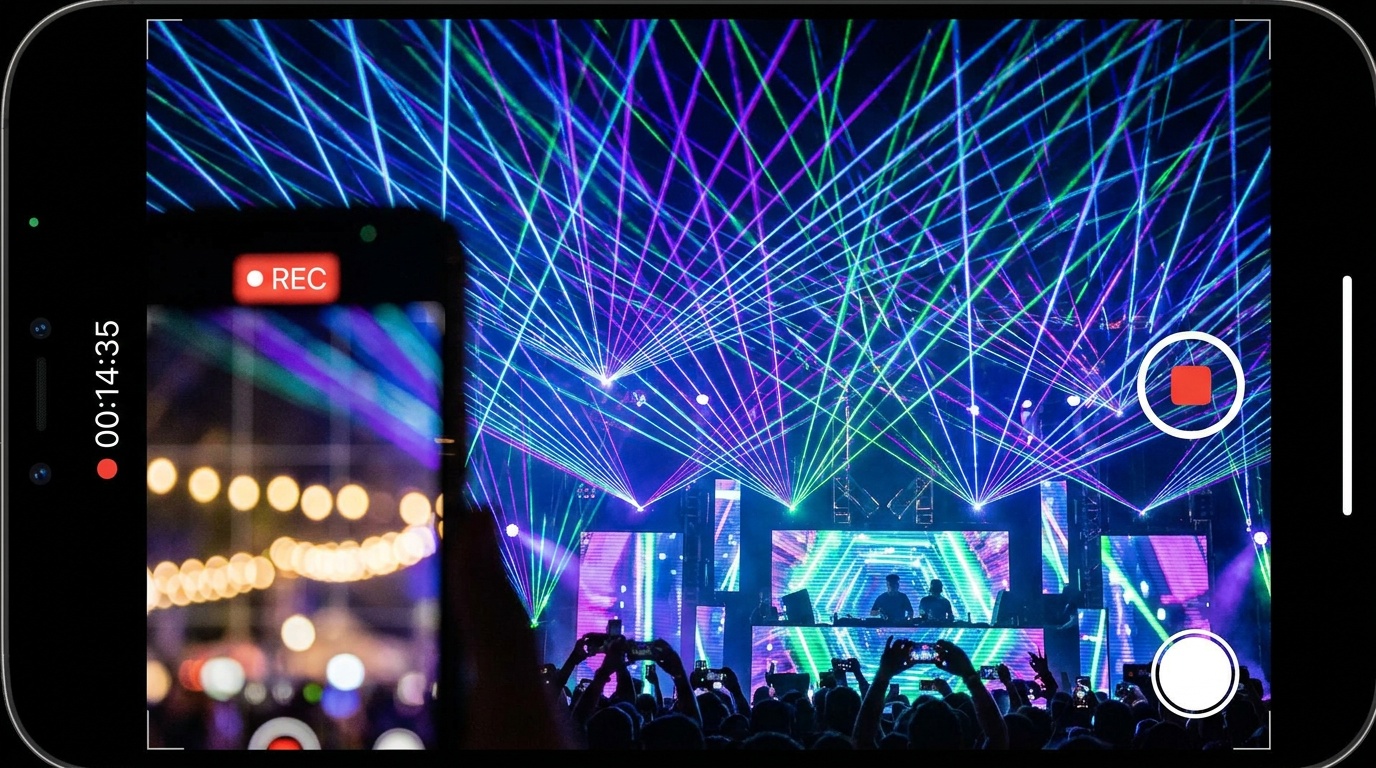
TikTok Ads for Live Events: Spark Ads, UGC Creative, and Sub-£2 Cost-Per-Lead Presales
Polished agency video ads flop on TikTok. Here is the operational playbook to run high-converting TikTok Spark Ads, partner with nightlife creators, and generate presale leads for under £2.00.
Engineered to sell out.
Ready to upgrade your campaign pacing, WhatsApp infrastructure, and server-side tracking?