Event marketing: strategy, promotion and practical tips
Build an event marketing strategy around your audience, ticket targets and launch calendar. A practical guide from first announcement to repeat attendance.

What is event marketing?
Event marketing connects an event with the people most likely to attend, then gives them a clear reason and a straightforward way to buy. For ticketed live entertainment, the job extends from audience research and positioning through to ticket sales, attendee communication and the next edition.
A festival, a weekly club night and a timed-entry experience need different campaigns. A destination audience may need to book accommodation months ahead. A local club audience may decide on the day. Build the campaign around that decision, rather than copying a calendar from a different event.
This guide adapts the planning, ticketing, launch and retention lessons in the E Labs Event Marketing Masterclass. Use it to connect the individual channels into one working plan.
Event marketing strategy: start with the audience and the numbers
Write a one-page brief before commissioning artwork or buying traffic. Record the event date, sellable capacity, ticket prices, audience, competing events and the main reason someone would choose yours. Separate confirmed evidence from assumptions you still need to test.
Use previous ticketing reports, customer feedback and campaign results to understand where buyers live, what they attend and when they buy. For a new event, start with a focused audience hypothesis and a small test. A large social following is not evidence that the same people will travel or pay your ticket price.
- Set a ticket and revenue target for each campaign milestone.
- Build a weekly sales projection from comparable events, allowing for launch spikes and quieter periods.
- Set a marketing budget that fits the event's cost base and available cash.
- Assign an owner to creative, website, ticketing, paid media and direct messages.
- Decide which results will trigger a change of plan.
Measure orders, tickets and revenue separately. Group bookings mean one buyer can purchase several tickets. The event marketing funnel guide explains how to compare these measures without overstating conversion.
How to promote an event: build the route to purchase
Make the destination ready before the announcement. The page should answer what the event is, when and where it happens, who it is for, what a ticket includes and how to buy. Test the full journey on a phone, including the hand-off to your ticketing provider.
If tickets are not available yet, offer a useful reason to register: an announced early-access window, a first lineup update or a reminder when booking opens. Explain what happens next. Send the confirmation promptly and make sure every signup reaches the correct audience segment.
Coordinate your venue, artists, partners and ticketing team around the same release time. Give each partner approved assets, accurate details and a tagged link. This turns a set of disconnected posts into an announcement people can recognise across channels.
For paid promotion, begin with a small set of clear creative ideas. Test the event proposition, atmosphere and relevant artist or experience hooks. Track the journey beyond the click before treating a low click cost as success.
Match your channels to the buying decision
Paid media helps you reach new audiences and reconnect with interested visitors. Organic content shows the experience and keeps the brand recognisable. Event email marketing gives you room to explain the programme, answer questions and follow up with relevant subscribers.
WhatsApp communities and SMS event marketing are useful for specific, time-sensitive updates. Give each channel a role; sending the same message everywhere at the same time can create fatigue without adding information.
Allocate effort according to your audience and resources. A small local event can start with a strong venue partnership, useful organic content, an engaged list and a tightly focused paid campaign. Add channels when you can resource and measure them properly.
Plan the launch, sustain and final sales phases
Work backwards from the date tickets open. Confirm the announcement assets, registration confirmation, ticket links, website, customer support answers and channel schedule. Use the on-sale checklist to check the hand-offs before launch.
After the opening spike, create genuine reasons to return: a lineup reveal, programme detail, artist feature or a useful guide to the experience. Avoid spending the entire campaign repeating the original poster. Reserve creative and budget for later phases where the audience's buying behaviour supports it.
As the event approaches, remove uncertainty about entry times, transport, accessibility and what to expect. Use availability messages only when they reflect real inventory. A local club night and an international festival should not receive the same final-week budget allocation.
Event marketing tips: a review you can act on
- Check ticket sales against the plan before looking at social engagement.
- If visits are low, investigate distribution and the strength of your creative.
- If visits are healthy but checkout starts are weak, review the proposition, price and page.
- If checkout starts do not become orders, test payment and booking friction.
- Remove purchasers from acquisition reminders when your data permits it.
- Record the change you made and the result, so the next event starts with evidence.
After the event, collect feedback, share approved recap content and invite people to hear about the next relevant date. Report costs, sales and learning together. A sell-out can still be unprofitable, and a strong launch is only one part of a campaign.
Apply the strategy to your event
Continue with the festival marketing strategy or nightclub advertising and promotion guide. For a worked example, read the Christmas Kingdom event marketing case study, which documents registration, creative testing and direct-channel launch delivery.
If you need help applying the plan, explore our event marketing consultancy or request a free marketing audit.

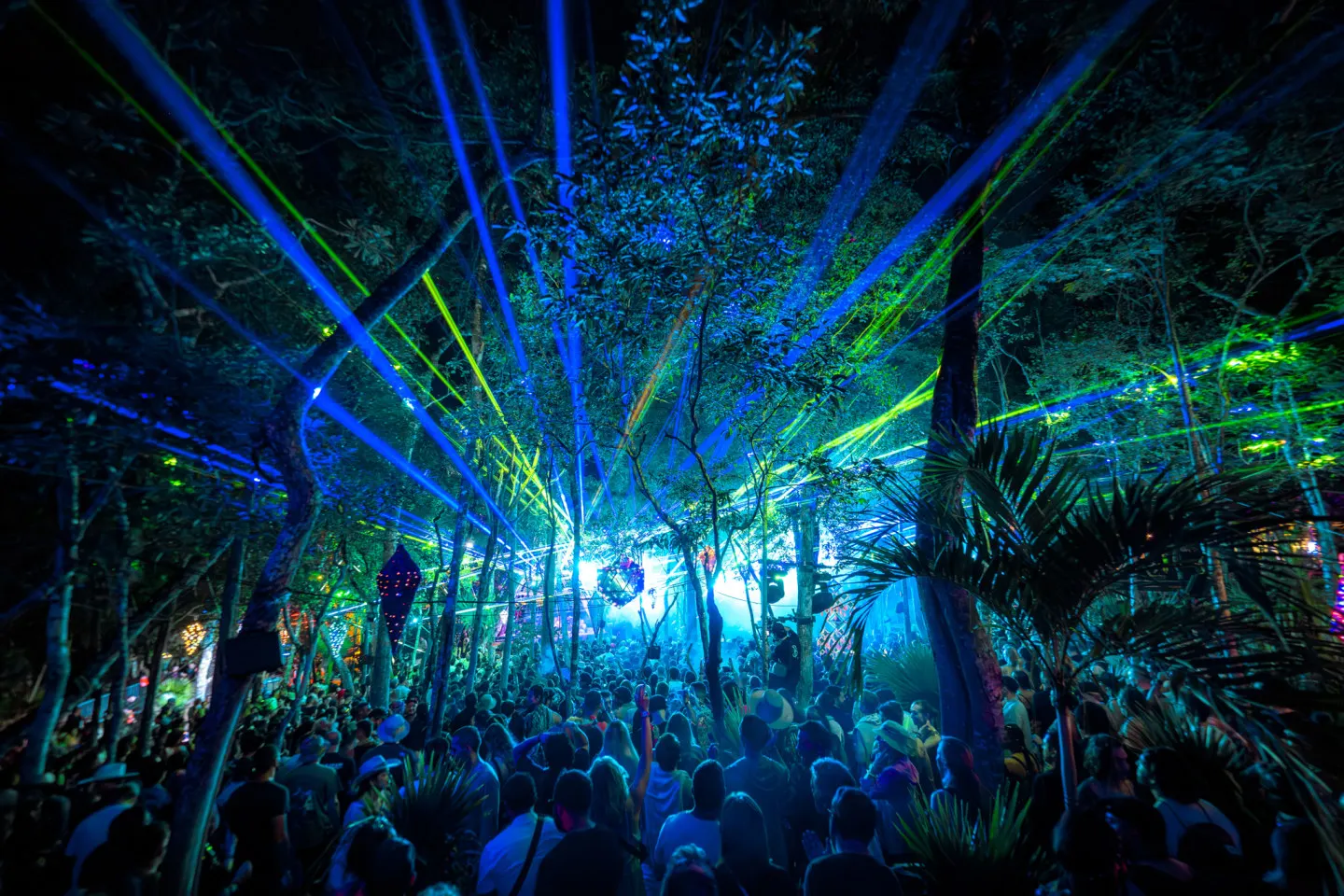
Event marketing funnel, ROI and conversion rate
Measure the journey from first visit to ticket purchase. Define conversion rates, separate ROAS from ROI and find the stage that needs attention.
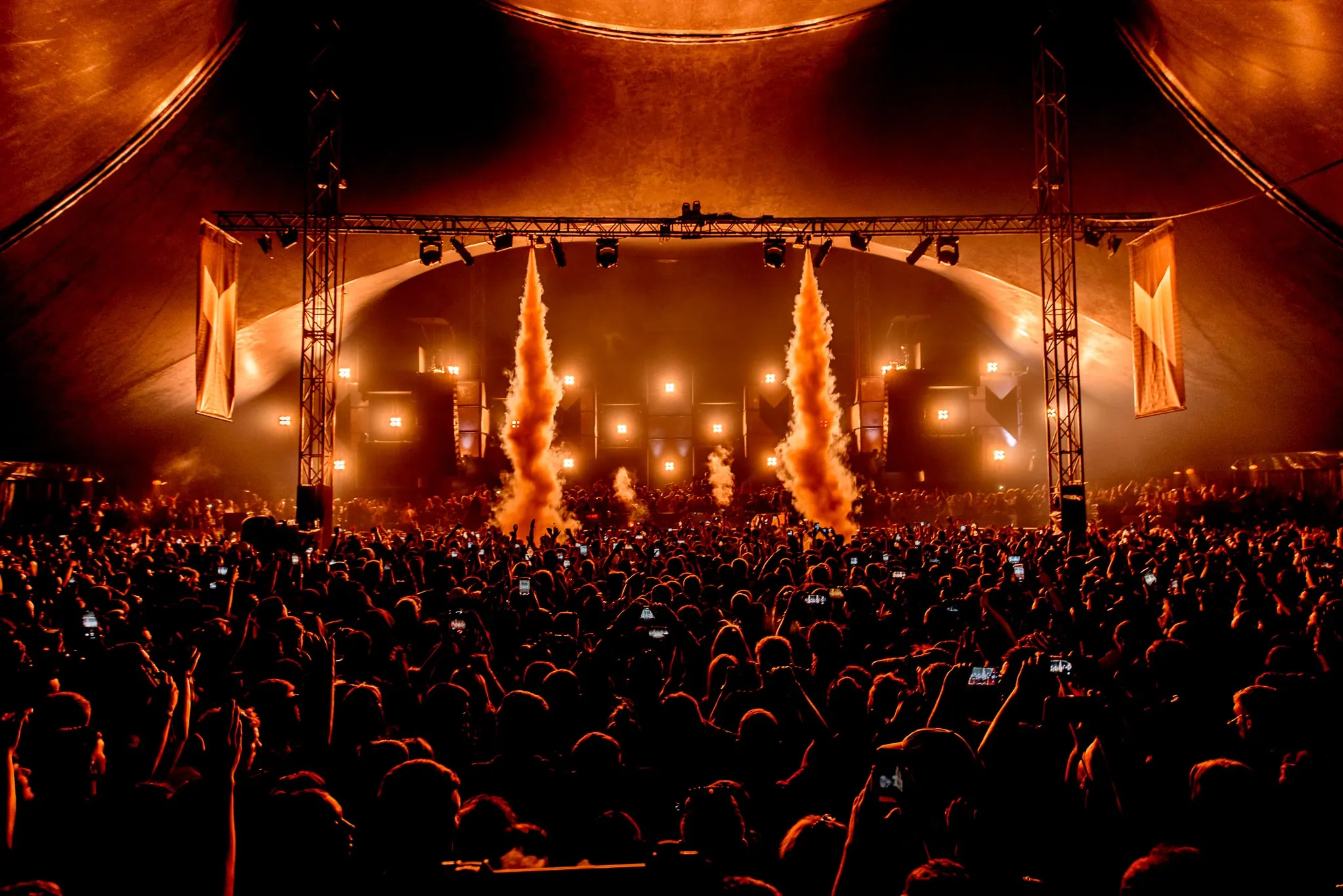
Festival marketing strategy, advertising and promotion
Plan festival promotion from audience research and lineup reveals to ticket conversion, travel information and next-edition retention.
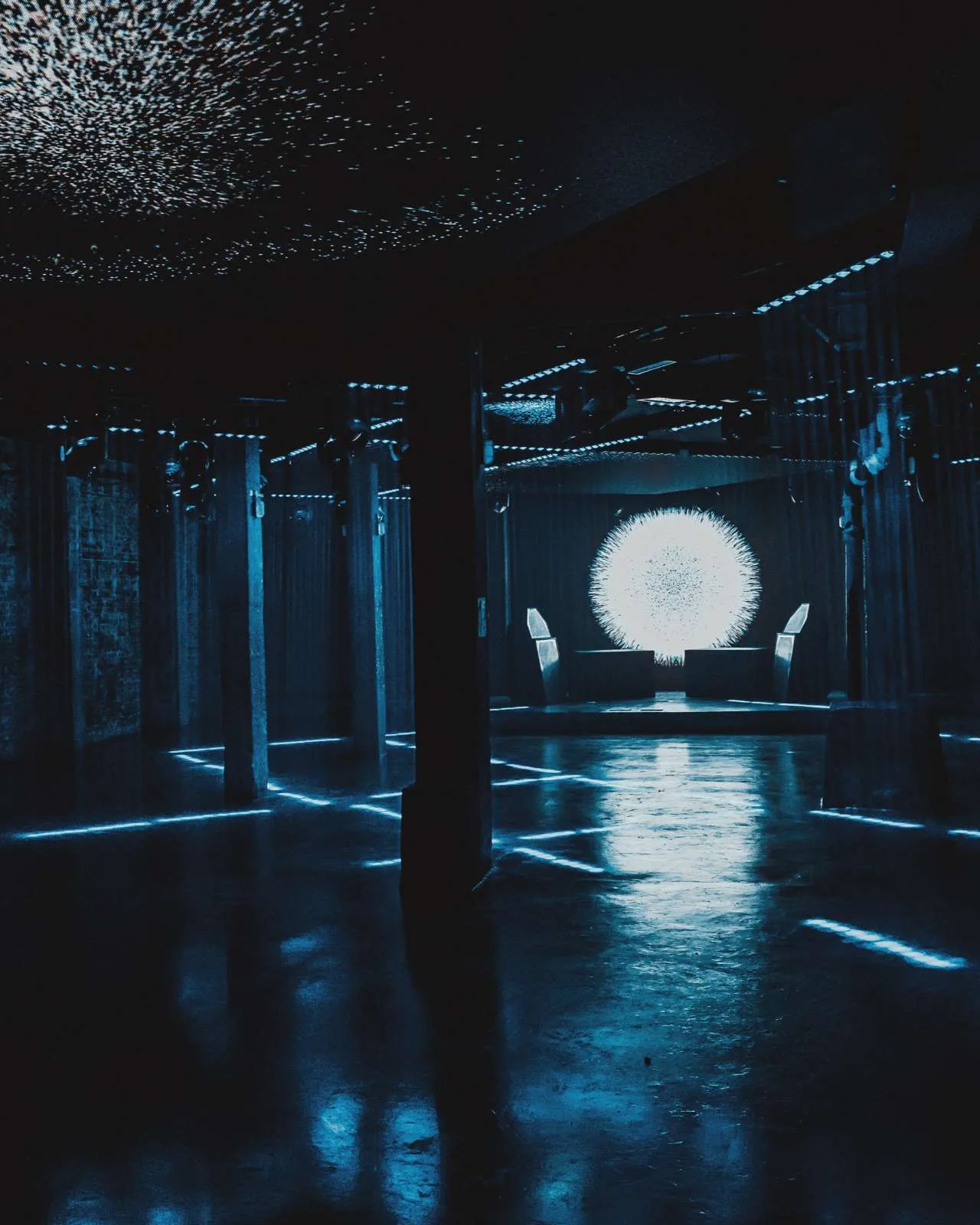
Nightclub advertising, promotion and social media
A practical nightclub promotion plan covering weekly programming, paid ads, social content and repeat visits.
Engineered to sell out.
Ready to upgrade your campaign pacing, WhatsApp infrastructure, and server-side tracking?