Event email marketing: campaigns, CRM and automation
Plan event emails from registration to repeat attendance. Build relevant segments, useful automations and a reporting baseline for your own audience.
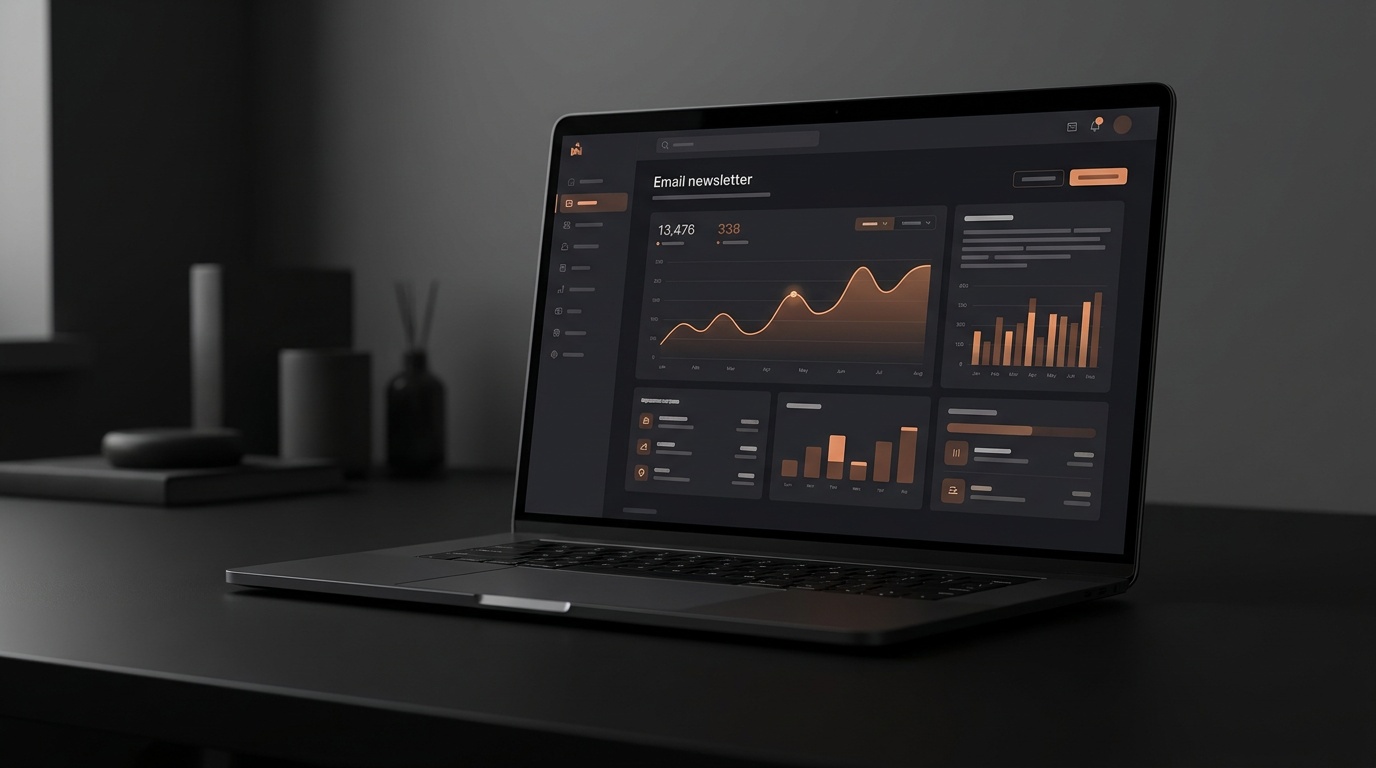
Measure your own event email baseline
Event email marketing connects your programme with people who have chosen to hear from you. Its role changes through the campaign: explain the concept, confirm registration, deliver access, answer questions and help relevant guests discover the next date.
Compare similar sends to your own audience. A presale email to recent registrants and a broad monthly programme update serve different purposes. There is no single open rate or send time that guarantees ticket sales across every event.
Report delivery, clicks, completed orders, revenue and unsubscribes alongside the audience and message type. Treat opens as a directional signal rather than proof that a person read the message. Avoid evaluating the campaign on opens alone.
Use your event CRM to make messages relevant
An event CRM should connect contact preferences with useful event and purchase information. Decide which fields your team needs: city, event or genre interest, registration source, purchased event and communication permissions. Keep the data model simple enough to maintain.
Separate interested non-buyers from ticket holders. Split a multi-city list when the event is local, and use genre or programme interests where the data is reliable. Check how ticketing updates reach the CRM and how quickly a new buyer leaves acquisition segments.
Before choosing or expanding a tool, test the integration, workflow and reporting you need. A larger feature list does not compensate for missing purchase data or a poorly defined audience.
Four useful automation jobs
- Registration confirmation: confirm the signup, explain the next step and provide the promised timing.
- Launch communication: send the agreed access link to the right segment when booking opens.
- Purchase follow-up: provide relevant event information and stop inappropriate sales reminders.
- Post-event follow-up: gather feedback, share approved recap content and invite interest in the next relevant event.
Checkout reminders can be useful when the integration and communication permissions support them. Check the purchase state before sending. Never tell someone that a ticket is reserved unless the booking system actually holds it.
Build each email around one primary decision
Use a recognisable sender, an accurate subject line and preview text that adds information. State the event, date and reason for the message early. Make the main booking or registration link clear and test it on a phone.
Put essential details in readable text rather than only in a poster image. Check the email when images are unavailable and ensure the mobile layout remains usable. Use the same event facts on the landing page and checkout.
Test one meaningful variable at a time where the audience size supports comparison. Subject line, proposition and call to action answer different questions. Keep a record of results to inform future sends.
Plan cadence and list quality together
Create a shared schedule for email, SMS and WhatsApp. Increase communication when there is useful news or a real booking deadline, while checking audience response. Repeated unrelated announcements can make subscribers less interested in the messages that matter.
Maintain sender authentication, handle bounces and opt-outs, and review inactive contacts. Ask people to update their preferences where appropriate. Keep audience quality and ticket outcomes visible alongside list growth.
See Music On Malta for a campaign combining CRM, paid acquisition and direct channels. Continue with the event marketing guide, SMS guide and WhatsApp community playbook.

Event marketing: strategy, promotion and practical tips
Build an event marketing strategy around your audience, ticket targets and launch calendar. A practical guide from first announcement to repeat attendance.
SMS event marketing: timing, copy and ticket sales
Use SMS for clear, timely event updates. Plan your audience, write one focused message and measure purchases alongside delivery and opt-outs.
WhatsApp community events: a promoter’s playbook
Build a useful WhatsApp audience for event announcements, early access and repeat attendance. Plan the community, launch sequence and measurement together.
Engineered to sell out.
Ready to upgrade your campaign pacing, WhatsApp infrastructure, and server-side tracking?